
In 2026, the focus of business sustainability will shift from long-term goals to immediate priorities. Corporate sustainability is set to become more risk-oriented and centred on maintaining profitability.
In 2026, the focus of business sustainability will shift from long-term goals to immediate priorities. As the world becomes more fragmented in its approaches to regulation and policy-making, corporate sustainability is set to become more risk-oriented and centred on maintaining profitability.

There are the main sustainability trends shaping the global economy in 2026, identified based on economic, climatic, and energy-related developments:
Geopolitics and the Need for Resilience
The world is heading towards a multi-centred world order, implying that international collaboration on sustainability issues will be more challenging than before. At the same time, the trend of diverging climate policies among the world's largest economies is intensifying, as exemplified by the different approaches of the US-led and Chinese blocs to carbon neutrality.

With many governments realizing that the target of limiting global warming to 1.5 degrees is unlikely to be achieved, there is an increased emphasis on adaptation to climate impacts worldwide. In this context, the language around climate change increasingly reflects this shift in priorities, as words such as "protection" or "security" are used instead of "reduction" of emissions to cushion the perceived threat to national economies. Apart from this, substantial investments are being made in building climate resilience, including in power systems and critical infrastructure in general.
Energy Transition and Net Zero
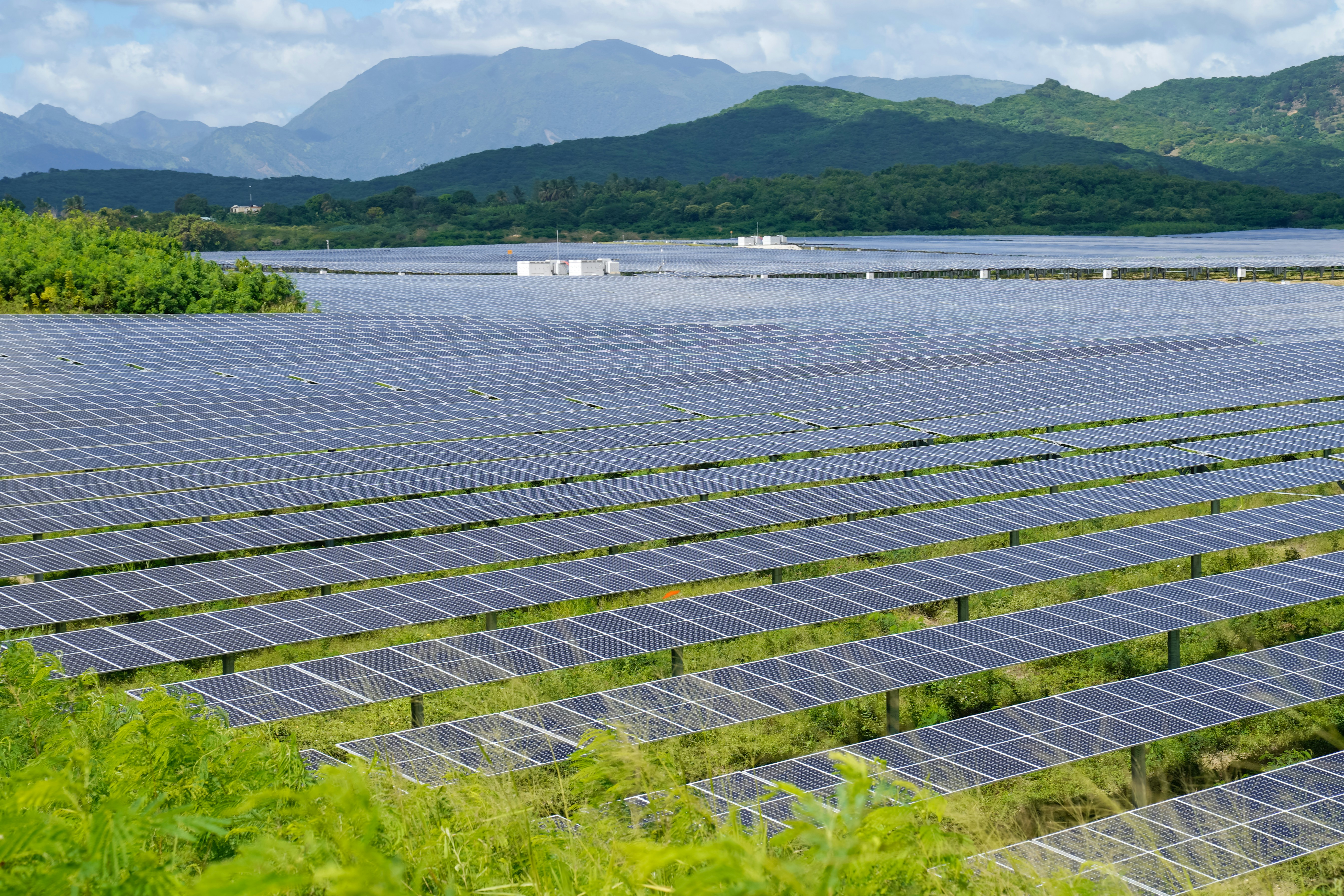
Despite record-breaking levels of new renewable energy installations, the rising demand for electricity is projected to lead to increased fossil fuel use. In the context of the ongoing energy transition, 2026 sees a growing emphasis on the modernization of the electric grid and the development of large-scale battery storage facilities, as well as the production of hydrogen as a clean energy source. With the introduction of the EU Carbon Border Adjustment Mechanism in 2026, carbon-intensive economies will have to adapt to a new situation when international trade is directly linked to carbon pricing.
AI Explosion
The rising explosion of AI and cloud services will create some of the most significant sustainability challenges in the technology sector. The main issue will be the amount of power data centers consume. The figure is projected to reach 2,200 terawatt-hours (TWh) worldwide by 2030 – enough to rival India's electricity consumption.
The implications of this development will reverberate throughout the supply chain, from water use to emissions footprints. Given the current concentration of data centers in water-stressed regions, the situation poses short- and long-term risks to technology companies.
Food Security and Water Risks
Water risks will continue to escalate and become a critical sustainability concern. With the rise of extreme weather events, aridity, and rising flooding, the world's food systems will be severely challenged. Climate projections show that climate physical risks to global business operations will peak at $1.2 trillion annually in the 2050s, with water risks responsible for $265 billion in losses.
Sustainable Finance and Disclosure Regulations
Disclosure uniformity and transparency on scope 2 emissions will gain momentum and become a significant challenge to businesses. The finance sector will have to impose more stringent rules and regulations on scope 2 emissions before allocating capital to climate-friendly initiatives. Even though the private sector has a unique role in bridging the public investment gap in sustainable projects, the much-needed capital will have to compete with other sovereign priorities such as national security, defense, and emerging technologies.
The business sustainability outlook for 2026 is full of challenges that will demand innovative solutions. Companies and investors will have to develop a pragmatic approach to risk management, capital allocation, and policy formulation to stay ahead of the constantly shifting global business environment.
At the same time, organizations need to rethink climate change, natural resource depletion, and the rise of disruptive technologies as enablers of business growth. This way, sustainability will become a critical pillar in protecting core business functions and contributing to overall economic development.
Read the full S&P Global report